

In modern industry, where production often involves the use of combustible materials, dust explosions pose a serious safety hazard. Ignoring the danger can lead to injuries, loss of life and significant material losses. For dust explosion prevention it is necessary to implement a comprehensive plan approach based on a thorough analysis of dust explosion hazard.
What is Dust Hazard Analysis (DHA)?
Dust Hazard Analysis (DHA) is a systematic and comprehensive process to identify, assess and control the risks associated with combustible dust in a specific plant or process.
During an explosion hazard audit, the following is accomplished:
- Identification of hazards. Identification of all locations where combustible powders are generated, accumulated and processed, and identification of potential ignition sources in these areas.
- Risk Assessment. Analyzing the likelihood of a dust explosion or fire and the potential consequences, including injuries, fatalities, damage to equipment, buildings, and financial losses.
- Design and evaluation of control measures. Identify and evaluate existing control measures (technical and organizational) to reduce combustible dust risks. Design and justify additional control measures required to achieve an acceptable level of safety.
- Creation of a detailed report. Development of a document containing the results of the analysis, risk assessment, description of existing and recommended control measures to prevent explosion.
Dust Hazard Analysis Requirements
DHA requirements are governed by international regulations, most of which are developed by the NFPA (National Fire Protection Association). NFPA standards in the field of fire safety are widely recognized throughout the world.
NFPA 652 (Standard on the Fundamentals of Combustible Dust) is the baseline for combustible dust management and mandates DHA for all facilities where this hazard is present. In addition to the general NFPA 652 standard, there are specialized NFPA standards (61, 484, 654) for different industries and types of combustibles. They also require DHA, but may contain more detailed instructions on its implementation and safety measures.
When and how often is the analysis required?
The frequency and conditions when a DHA is required are governed by NFPA Standard 652. It requires reevaluation of the explosion hazard analysis at least every 5 years.
However, there are some cases where an unscheduled DHA is required:
- When starting up new facilities. Before commissioning new production facilities or introducing new processes where flammable powder materials are generated or handled.
- In case of changes in the technological process. When significant changes are made to the process, equipment, materials or volumes of dust being handled.
- For existing facilities and processes. For all existing facilities and processes where combustible dust is present, if DHA has not previously been conducted.
- Post-incident. After any dust-related incident (explosion, fire, ignition) to identify the causes of the incident and prevent recurrence.
When changes are made to regulatory requirements or when legislation relating to the handling of explosive particulate matter is updated, DHA must also be reviewed.
How dust hazards are analyzed: steps and methods
Dust Hazard Analysis is conducted in several sequential stages using a variety of methods to ensure a comprehensive risk assessment.
1. Data collection and preliminary assessment
- Study of process flow and documentation.
- Collection of information on raw materials, materials used and dust properties.
2. Identification of dust generation and accumulation areas
- Identification of locations where combustible dust is generated, handled, transported, stored or disposed of.
- Identification of locations where particles may accumulate.
3. Identification of ignition sources
Identification of all possible ignition sources in dust generation and accumulation areas (open fire, static electricity, mechanically generated sparks, etc.).
4. Risk Assessment
Assessment of the probability of a dust explosion or fire, considering:
- Concentration of particles in the air.
- Presence of ignition sources.
- Effectiveness of existing control measures.
Assessment of the potential consequences of an explosion or fire, considering:
- Size of the affected area.
- Presence of personnel in the affected area.
- Potential for damage to equipment and buildings.
5. Development of recommendations for safety improvements
Development of specific and implementable recommendations to reduce combustible dust risks, including:
- Improving aspiration and dust extraction systems.
- Replacing equipment with explosion-proof equipment.
- Installing spark arresting and fire suppression systems.
- Developing and implementing staff training programs.
- Improving housekeeping and cleaning practices.
- Installing explosion protection devices or systems where required.
6. Documentation and reporting
Preparation of a detailed report containing:
- Description of the facility and process.
- Results of data collection and hazard identification.
- Risk assessment results.
- Analysis of existing control measures.
- Recommendations for safety improvements.
Methods used in conducting a DHA
The choice of specific methods depends on process complexity, data availability, and the experience of the professionals conducting the DHA.
- What-If Analysis. A method based on “What if...?” questions to identify potential hazards.
- Checklist Analysis. Use of pre-prepared checklists to verify compliance with safety requirements.
- HAZOP (Hazard and Operability Study). Examination of deviations from normal operating conditions and their possible consequences.
- FMEA (Failure Mode and Effects Analysis). Identification of potential failure modes, assessment of their consequences and development of preventive measures.
- Fault Tree Analysis. Graphical representation of causes leading to a particular accident and evaluation of probability.
In accordance with NFPA standards, Dust Hazard Analysis must be performed by qualified experts with knowledge and experience in explosion safety, chemistry, production technology and fire safety.
Main risks and examples of dust explosions
| Photo | Details |
|---|---|
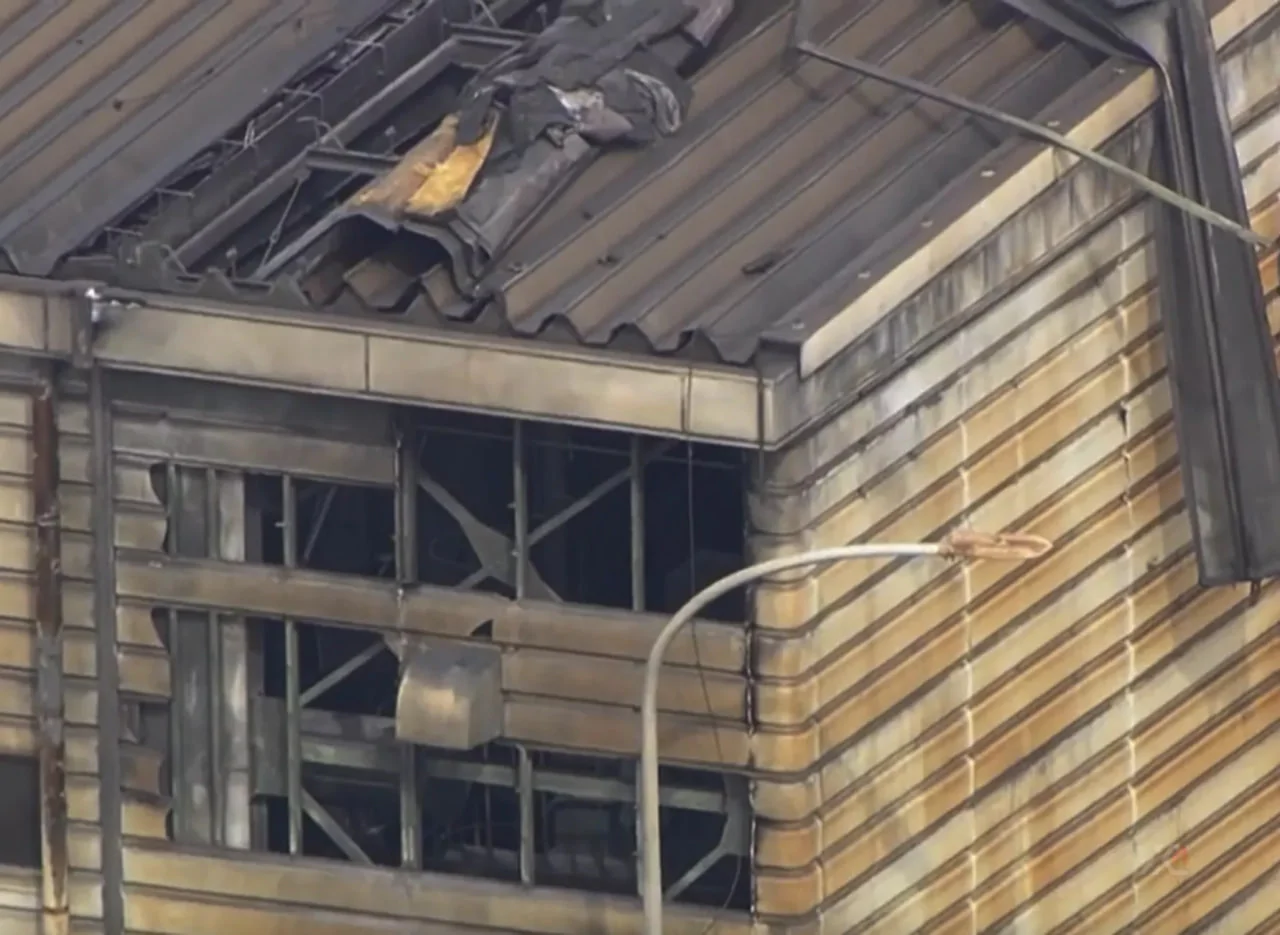 |
Japan, 2025, Chuo Spring Co. - a subsidiary of Toyota Motor Corp. Explosion of metal dust inside the filter of the aspiration system. Consequences: One worker died and two were injured. |
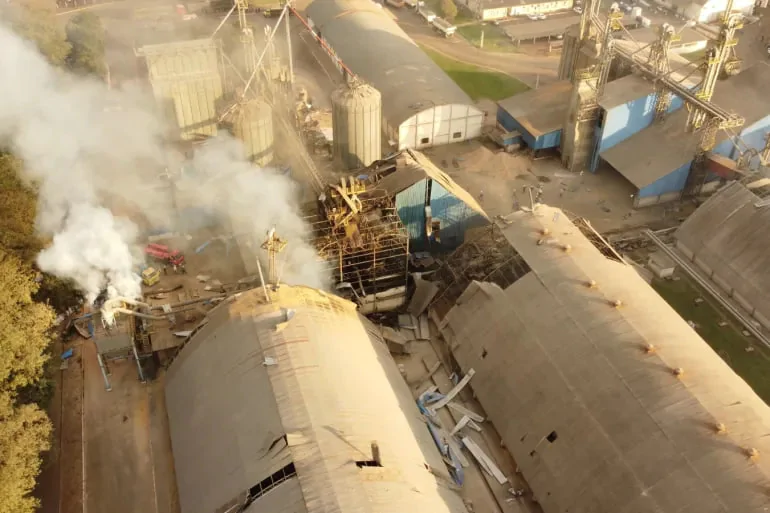 |
Brazil, 2023, Palotina grain storage facility Explosion in one of the granaries due to grain dust detonation. Consequences: 8 people were killed, 1 missing. |
| USA, 2017, White Farms Inc. A corn silo collapsed and caused an explosion due to ignition of corn dust by electrical panels. Consequences: Process equipment was damaged. |
Despite strict requirements for facilities operating with explosive media, recurring practical errors continue to significantly increase explosion risk. The most common include:
- Inefficient dust extraction and ventilation systems
- Insufficient capacity of aspiration systems.
- Improper ductwork design leading to dust stagnation zones.
- Incorrect placement of dust collection points.
- Ineffective filters and filter cleaning systems.
- Absence of explosion venting or explosion protection devices.
- Improper dust housekeeping
- Infrequent cleaning.
- Use of equipment capable of generating ignition sources.
- Dust accumulation in hidden or hard-to-reach areas.
- Inadequate maintenance of dust extraction systems
- Delayed filter replacement.
- Lack of regular cleaning of ducts and equipment.
- Insufficient control of ignition sources
- Non-compliance with hot work safety procedures.
- Insufficient or missing grounding of equipment.
- Mechanically generated sparks due to friction and wear.
Regular Dust Hazard Analysis (DHA) not only helps prevent explosions and fires, but also improves process efficiency, reduces operational risks, and strengthens the overall safety culture within the organization.
Benefits of combustible dust hazard analysis
| Key benefits | Business impact |
|---|---|
| Reducing the likelihood of explosions and fires | Identification of hazards and risks associated with combustible dust ensures safer working conditions and protection of assets. |
| Regulatory Compliance | Compliance with NFPA standards reduces the risk of fines, penalties and legal liability. |
| Reduced insurance payouts | Implementation of DHA can improve insurance conditions and reduce premiums. |
| Improved enterprise reputation | Demonstrates commitment to safety and responsible operations. |
Conclusion
Regular and qualified DHA is an essential step in ensuring safety at facilities handling combustible dust. A systematic approach to hazard identification, risk assessment and implementation of control measures reduces accident probability and supports long-term operational stability.