

Explosion protection in industry is a set of industrial safety measures aimed at reducing the risk of explosion and minimizing its consequences, which makes it relevant for many industries where combustible substances are present. The absence of explosion protection devices in production can lead to large-scale accidents that result in injuries, casualties, destruction of industrial facilities, and billions in losses. To save lives and property, it is necessary to correctly apply explosion protection standards and technologies.
Main risks in the absence of explosion protection
The lack of protective measures at enterprises where combustible gases, vapors, or explosive dust are present creates numerous hazards and risks. These risks affect not only human safety, but also production stability, the financial condition of the company, and even its reputation.
Threat to the life and health of employees
The life and health of people in a potentially dangerous area are at risk. An explosion can cause instant death, burns, injuries from shrapnel and shock waves, as well as long-term health consequences such as respiratory diseases or psychological trauma.
Destruction of equipment and buildings
An explosion has enormous destructive power, capable of completely destroying production facilities and equipment. This not only results in enormous material losses, but can also render the facility unusable, requiring complete reconstruction or relocation.
Downtime and production stoppages
Accidents inevitably lead to a complete or partial stoppage of the production process. The time required to eliminate the consequences, conduct investigations, and restore equipment and premises can be measured in months, and sometimes years. This means not only a loss of production capacity, but also a loss of market position.
Financial losses
In addition to damage from destruction, financial losses include repair and restoration costs, compensation payments to victims, fines from regulatory authorities, and legal costs in the event of lawsuits from victims or government agencies. The total amount of such losses can exceed the cost of the equipment itself many times over.
Loss of company reputation
Information about major industrial accidents related to inadequate safety quickly spreads, damaging the company's reputation. Loss of trust on the part of customers, partners, investors, and society as a whole can lead to a loss of orders, difficulties in attracting investment, and problems in finding qualified personnel.
Examples of real accidents
According to global statistics for 2023, the food industry is most prone to dust explosions, accounting for 43.7% of all reported cases. The woodworking industry ranks second with 35.4%, while the metallurgical industry accounts for 5.7%. Below we will review examples of real incidents that have occurred in various industries.
|
Food industry |
|
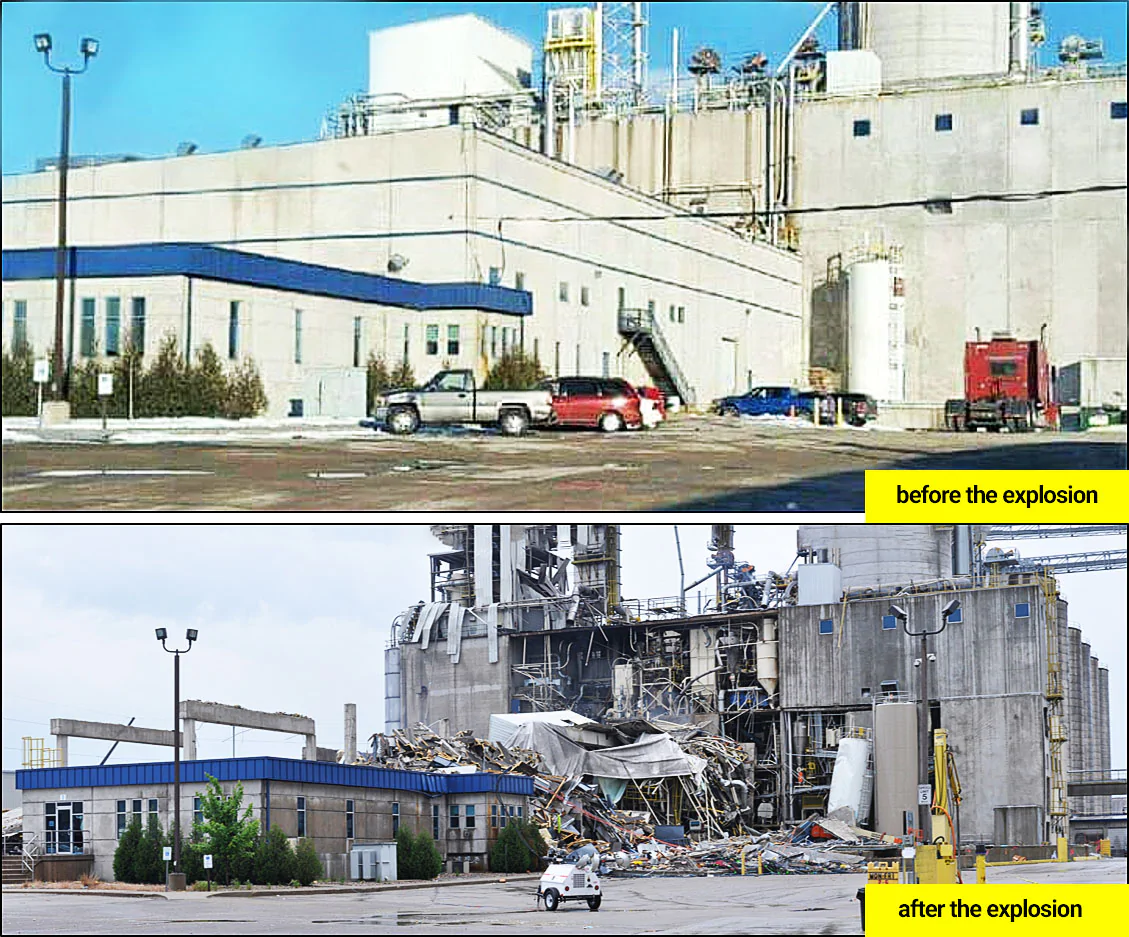 |
The Didion Milling Plant, 2017, the USA. A corn dust explosion killed 5 people and injured 14. The company paid fines totaling $1.8 million. |
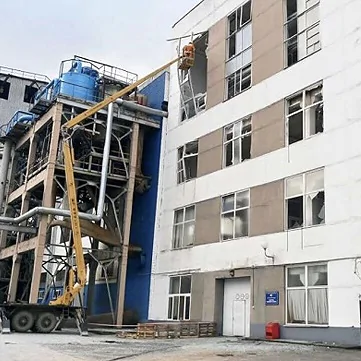 |
Skidel Sugar Factory, 2017, Belarus. Sugar dust exploded. The cause was defects in the aspiration system and insufficient cleaning of the production facility. Five people were injured, four of whom died later. |
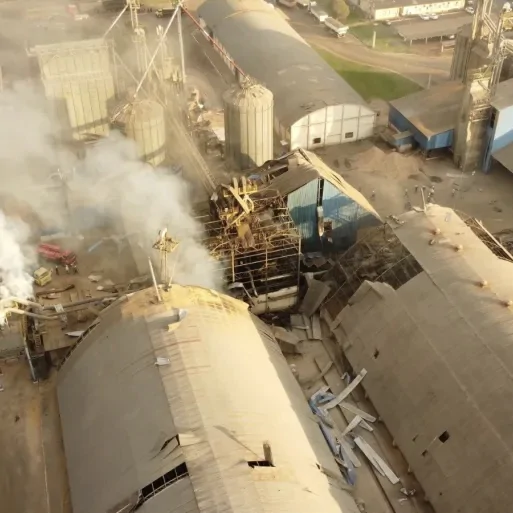 |
Grain storage facility in Palotina, 2025, Brazil. Grain dust detonated in one of the grain storage facilities. This was followed by explosions in the second and third storage facilities. Eight people died and one person went missing. |
|
Chemical and pharmaceutical industries |
|
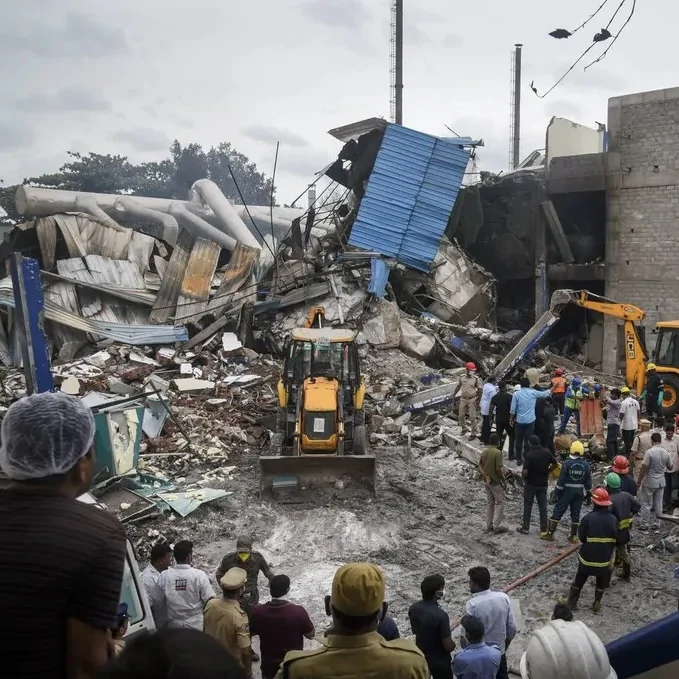 |
Sigachi Industries pharmaceutical factory, 2025, India. A dust explosion occurred in a facility designed for drying microcrystalline cellulose. The factory building was completely destroyed. Thirty-six people were killed and more than 30 were injured. |
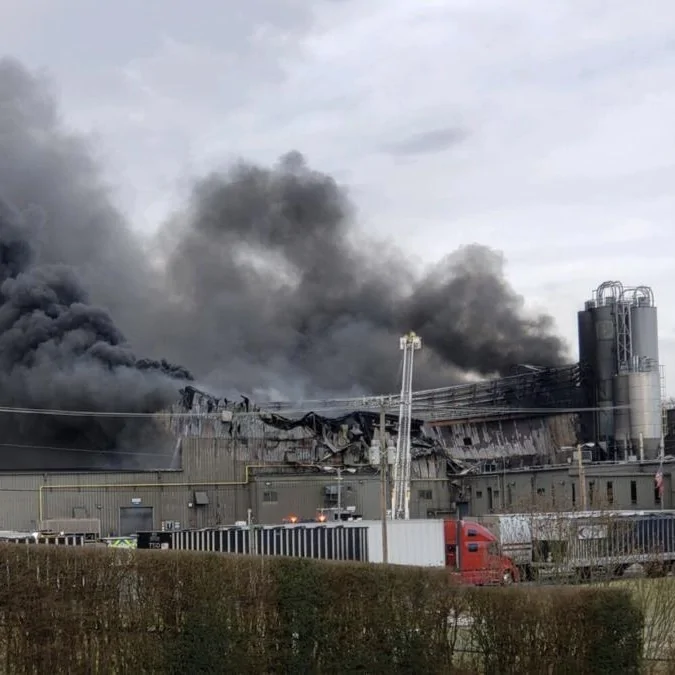 |
HEXPOL Rubber Compounding rubber manufacturing plant, 2021, USA. An explosion occurred at a rubber manufacturing plant. Rescuers fought the fire for more than a day. One employee suffered severe burns. |
|
Bridgestone Firestone tire manufacturing plant, 2021, USA. Presumably, there was an explosion of sulfur particles. The building sustained moderate damage. One worker was seriously injured. A similar incident occurred at the same plant in 2019. At that time, powdered sulfur exploded during the emptying of silos, injuring one person. |
|
|
Metallurgical industry |
|
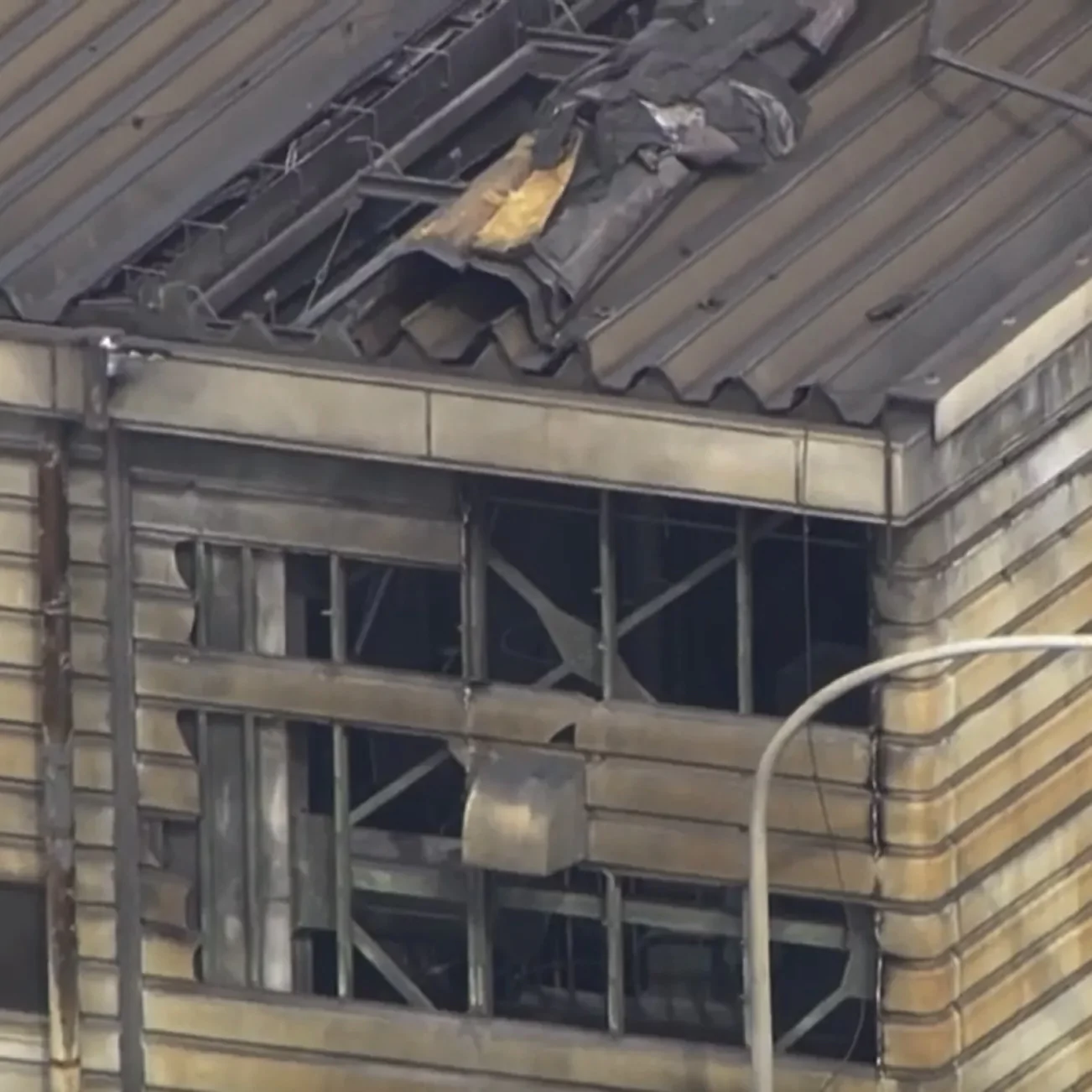 |
Chuo Spring Co. – a subsidiary of Toyota Motor Corp., 2025, Japan. According to preliminary information, an explosion of metal dust occurred inside the filter of the aspiration system. One worker was killed and two were injured. In 2023, an explosion occurred at the same plant, causing disruptions in the supply chain for spare parts. Toyota was then forced to suspend operations on 13 production lines at eight plants. |
|
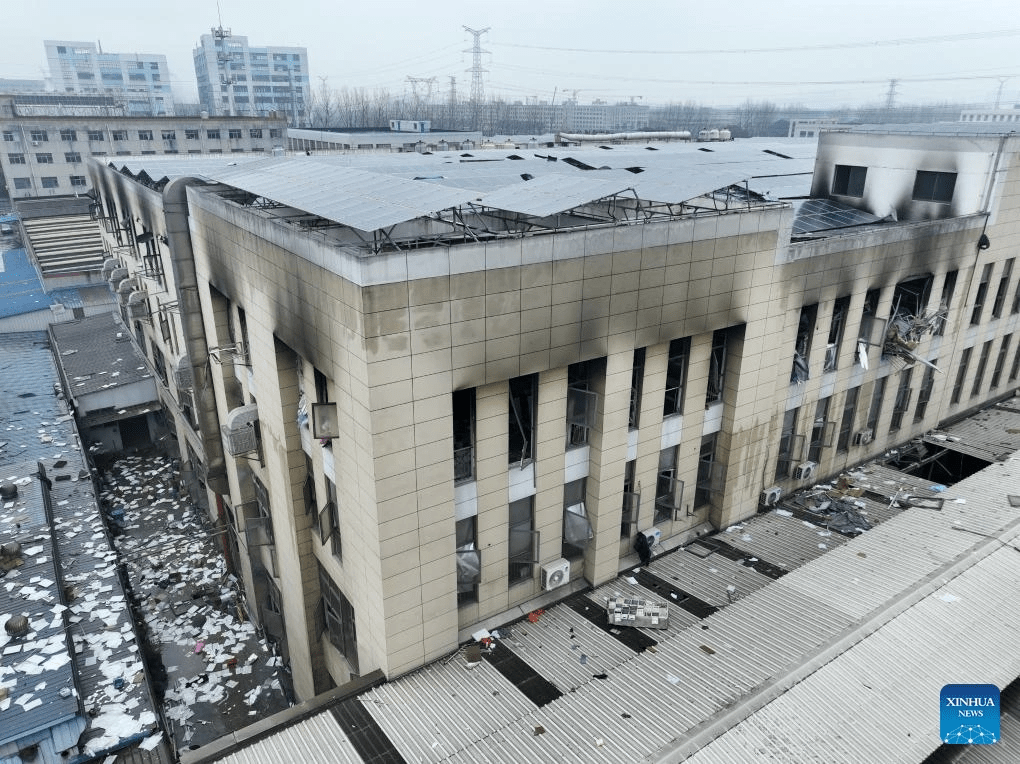
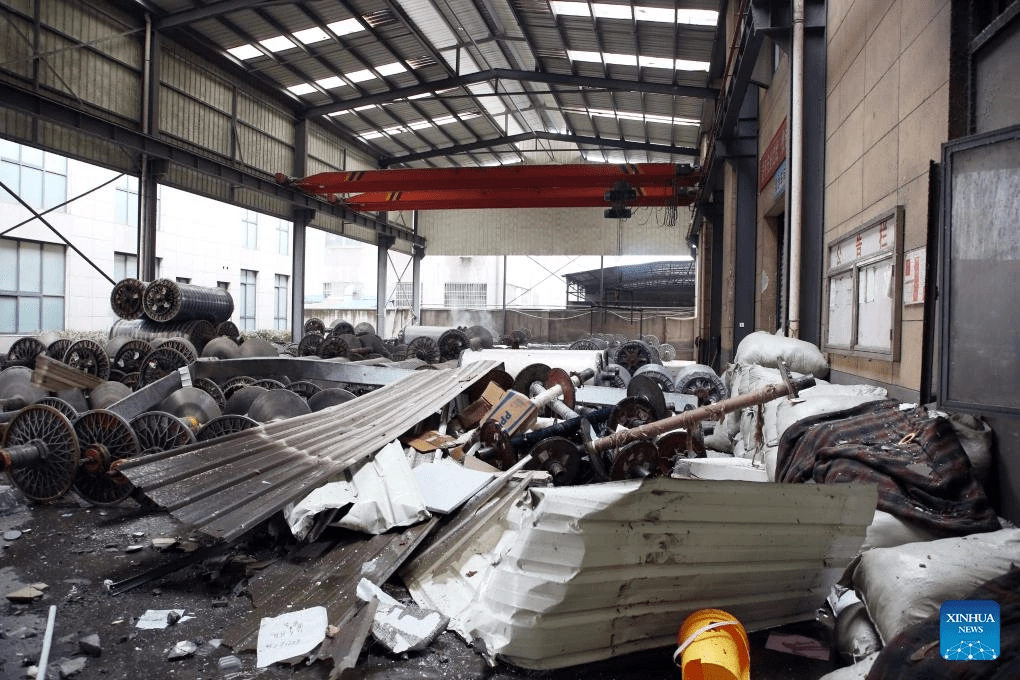
Shenrong Metal Technology Limited factory, 2024, China. The tragedy occurred due to an explosion of metal dust in the production workshop. As a result, 8 people were killed and 8 more were injured. |
|
Bicycle factory, 2018, Taiwan. A spark caused magnesium and aluminum powders accumulated over an area of 10 m² to explode. Ten people were injured. |
|
|
Woodworking industry |
|
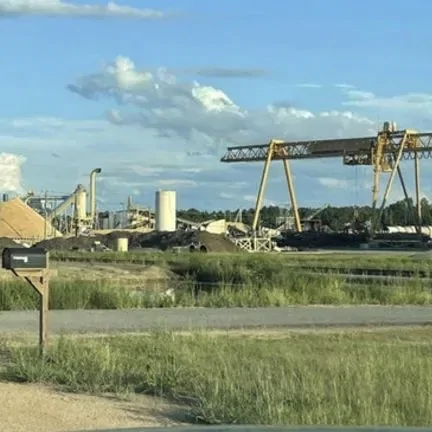 |
Hazlehurst Wood Pellet Company wood pellet plant, 2021, USA. The accident was caused by an explosion of wood pellets. It is believed that the accident was caused by the particles overheating. Four people were injured, two of them seriously burned. |
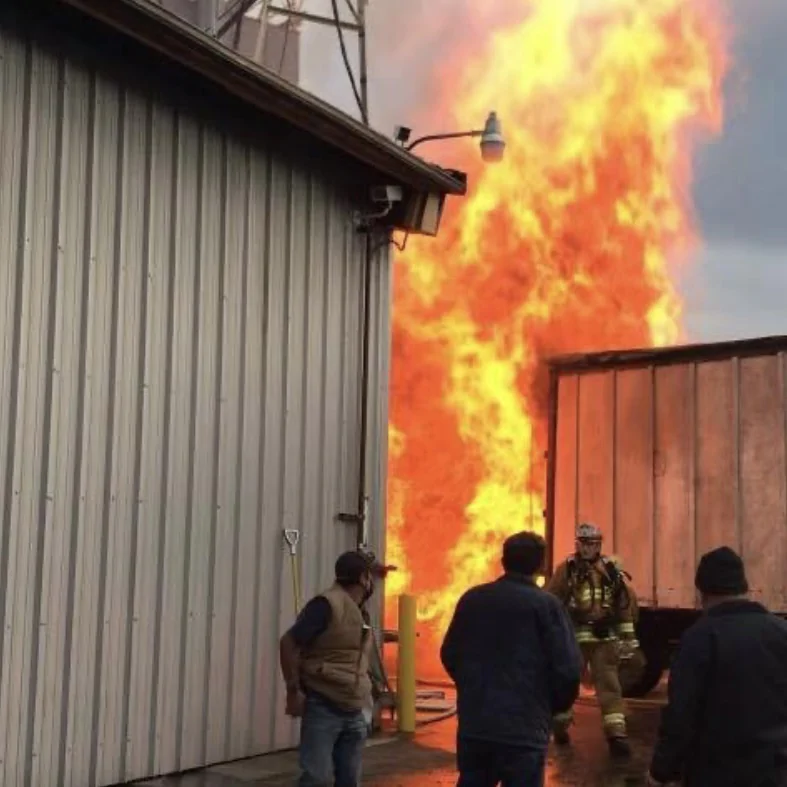 |
Cabinet manufacturing plant in Irwindale, 2020, USA. A fire broke out at the plant, followed by an explosion of wood dust in a silo. No one was injured. |
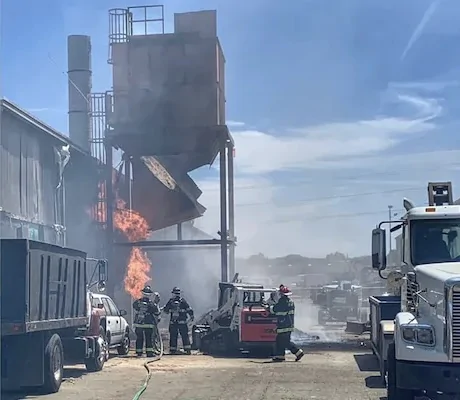 |
Industrial facility in San Leandro, 2019, USA. The incident occurred due to an explosion of wood shavings. During welding work, a spark ignited the particles, and a sudden shift in the bunker caused a large cloud of dust to form inside it, resulting in the dust detonating. One firefighter was injured. |
Technical aspects that exacerbate the consequences
A number of technical flaws and omissions not only contribute to the occurrence of an explosion, but also significantly increase its destructive power and severity of consequences. These factors, acting in combination, can turn a local incident into a full-scale accident.
Use of equipment that is not explosion-proof
The use of conventional, non-specialized equipment in explosive environments is a direct source of danger. It can become a source of sparks and flames, causing overheating, which is sufficient to initiate an explosion.
Lack of data on the explosiveness of dust
The lack of data on the characteristics of a specific type of dust—its minimum ignition energy, maximum explosion pressure, and pressure rise rate—leads to an incorrect assessment of risks. Without these characteristics, it is impossible to correctly design dust removal systems and select the optimal means of explosion protection.
Lack of the explosion protection audit
Ignoring explosion hazard analysis means that explosion risks, potential consequences, and hazardous areas in production remain unknown. This hinders the development of targeted measures to manage ignition sources and create safe working conditions, thereby increasing the likelihood of accidents and exacerbating their destructive effects.
Lack of explosion protection devices
The absence of specialized explosion protection devices allows an explosion to spread unhindered through process equipment or premises. Depending on the type, explosion protection devices are designed to safely release the energy of an explosion, suppress it at an early stage, or localize it within a certain volume, which significantly reduces its destructive effect.
Legal and regulatory implications
At enterprises working with explosive environments, compliance with both international and local standards requiring the use of explosion protection is mandatory. Among the key global systems are the ATEX directives (in particular, ATEX 114 for equipment and ATEX 137 for workplaces) and IECEx standards. The Russian Federation has adopted national standards harmonized with international standards (e.g., the GOST IEC 60079 series), as well as the Technical Regulation of the Customs Union "On the Safety of Equipment for Use in Explosive Atmospheres" (TR CU 012/2011).
The employer is liable for violating established norms and rules, which may result in legal consequences, including administrative fines, civil liability to victims, and, in the event of serious consequences, criminal prosecution.
How to minimize the consequences of a dust explosion
To minimize the destructive consequences of an accident, it is necessary to apply a comprehensive approach that includes preventive measures aimed at preventing an explosion and technical solutions designed to control the energy of an explosion if it occurs.
Conducting an explosion hazard audit
This will help you understand where explosive dust can accumulate in your facility, identify potential ignition sources, and determine the likelihood and severity of the consequences of a possible explosion. This will give you a clear picture of the risks and allow you to identify the most dangerous areas.
Testing dust for explosion hazards
Laboratory tests will help determine the explosion hazard characteristics of dust specifically in your production facility (Kst, Pmax, MIT, MIE, etc.). These parameters are necessary for selecting the required level of protection.
Correct selection of explosion protection systems
The selection of optimal solutions to minimize the consequences of a dust explosion should be carried out in conjunction with technical specialists. They will help you select the systems that are most suitable for your production, taking into account the type of dust, equipment characteristics, and working conditions. There are solutions for explosion protection:
- Aspiration systems
- Elevators (bucket elevators)
- Process tanks
- Pneumatic transport systems
Regular maintenance
This will help keep explosion protection systems in constant readiness for operation. During maintenance, any deviations from the norm are identified, preventing possible malfunctions and ensuring maximum system efficiency in the event of an emergency.
Conclusion
Explosion protection is not just a formal requirement, but a necessity for enterprises operating in potentially hazardous conditions. Failure to exercise proper control in the area of explosion safety has serious consequences: significant financial losses and, most importantly, loss of life. Explosion protection technologies are the foundation for ensuring employee safety, continuity of production processes, and maintaining the company's reputation at a high level, guaranteeing its sustainable development in the long term.